
The evolution of casinos A journey through history
The evolution of casinos A journey through history
Origins of Gambling in Ancient Civilizations
The concept of gambling can be traced back to ancient civilizations where various forms of games of chance were a popular pastime. The earliest evidence of gambling dates back to around 3000 BC in China, where rudimentary games involving dice were played. These games not only served as entertainment but also played a significant role in religious and cultural rituals, highlighting the social aspect of gambling in early societies. Similar practices emerged in ancient Egypt and Babylon, where dice made from bones and other materials became essential to everyday life. For those interested in exploring online gaming further, spin-lander.uk offers a comprehensive platform.
The Romans were also instrumental in the evolution of gambling, introducing numerous games that involved betting and chance. They created games similar to modern-day board games, with betting components that captivated both the elite and the commoners. These early versions of gambling laid the groundwork for the establishment of more formal gambling establishments, paving the way for the first casinos. The social and economic implications of gambling were profound, as these activities stimulated interactions and commerce.
As societies evolved, so did the structure and legality of gambling. In many cultures, authorities began to recognize the potential for tax revenue from gambling activities, leading to the regulation of games and the establishment of dedicated venues. The transition from informal gambling among friends to organized betting in public arenas marked a critical evolution in the history of casinos, setting a foundation for future developments in gambling practices.
The Birth of Formal Gambling Houses
The first official gambling houses began to appear in the 17th century, particularly in Italy. The Ridotto in Venice, established in 1638, is often credited as the first formal casino. It offered a controlled environment where players could gamble on games like baccarat and faro, accompanied by entertainment. This shift from casual gaming in private spaces to dedicated venues revolutionized the gambling landscape, attracting a variety of patrons ranging from the affluent to the curious novice.
During this period, the popularity of gambling flourished across Europe, prompting other nations to establish their own gaming houses. France saw a rapid increase in the establishment of casinos, especially in places like Monte Carlo, which became synonymous with luxury and high-stakes gambling. These casinos were not just places to gamble; they became social hubs, attracting tourists and creating a vibrant culture centered around gaming and entertainment.
As these formal establishments gained traction, they also faced scrutiny and criticism. Various governments attempted to regulate or ban gambling due to its association with vice and corruption. Nevertheless, the allure of casinos continued to grow, and innovations in gaming technology began to emerge, leading to the diverse array of games we see today. This era solidified the casino as an integral part of social culture, merging entertainment with the thrill of risk.
The Expansion of Casinos in the 20th Century
The 20th century saw an unprecedented expansion of casinos across the globe, fueled by economic booms and shifting social attitudes toward gambling. In the United States, Las Vegas emerged as the epicenter of gambling, transforming from a small desert town into a dazzling metropolis filled with lavish casinos. The legalization of gambling in Nevada in 1931 marked a turning point, giving rise to a new era of themed resorts and entertainment complexes that catered to millions of visitors each year.
Simultaneously, other regions began to embrace gambling as a source of revenue and entertainment. Atlantic City in New Jersey legalized casinos in the late 1970s, and soon other states followed suit, reshaping the gambling landscape. Casinos began to diversify their offerings, incorporating not just gaming but also dining, shopping, and live entertainment, making them multifaceted destinations for leisure and social activities.
Technological advancements during this period also played a vital role in the evolution of casinos. The introduction of slot machines in the early 1900s revolutionized casino gaming, making it accessible to a broader audience. These machines allowed for quick play and easy betting, appealing to both seasoned gamblers and novices. As casinos embraced technology, the gaming experience became more immersive, setting the stage for the modern casino environment we know today.
The Digital Revolution and Online Casinos
The advent of the internet in the late 20th century marked another significant evolution in the world of casinos. The first online casinos emerged in the mid-1990s, providing players the convenience of gambling from the comfort of their homes. This revolutionary change democratized access to gambling, allowing individuals from various backgrounds to engage in casino games without the need to travel to physical locations. The thrill of winning was now just a click away.
Online casinos introduced a plethora of games, often replicating traditional casino offerings while adding unique twists and innovations. Live dealer games, for instance, enabled players to interact with real dealers in real-time, preserving the social experience of gambling while leveraging technology. The rise of mobile gaming further propelled this trend, as players could enjoy their favorite games anywhere, leading to a significant increase in participation rates.
Regulatory frameworks surrounding online gambling also began to evolve, with various jurisdictions establishing guidelines to ensure fair play and player protection. As a result, many online casinos now prioritize safety and transparency, employing encryption and responsible gaming tools. This ongoing evolution reflects the growing acceptance of digital gambling, demonstrating that casinos have successfully adapted to changing societal norms and technological advancements.
Modern Casinos and Future Trends
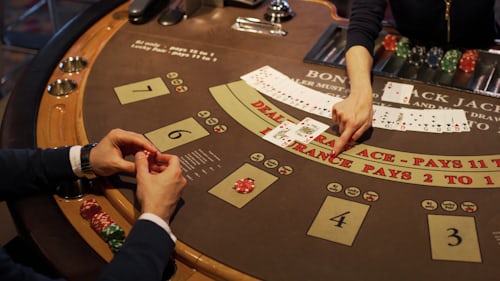
Today, casinos continue to evolve, blending traditional gaming with cutting-edge technology. Modern casinos have become luxurious entertainment complexes, offering everything from high-end dining experiences to lavish accommodations and extravagant shows. The gaming floors are designed to enhance the overall experience, with innovative layouts and immersive environments that keep players engaged. Casinos also integrate advanced data analytics to personalize marketing strategies and enhance customer experiences.
Future trends indicate a continued focus on technology, with the potential for virtual reality (VR) and augmented reality (AR) to redefine gaming experiences. Imagine stepping into a virtual casino where you can interact with players and dealers from around the world, all from your living room. Additionally, the incorporation of blockchain technology may revolutionize how casinos handle transactions, ensuring greater transparency and security.
As the gambling landscape continues to evolve, it remains essential for operators to prioritize responsible gaming practices. The emphasis on player protection and ethical gaming will play a crucial role in shaping the future of casinos, as they aim to create safe and enjoyable environments for all patrons. The journey of casinos through history reflects a dynamic interaction between culture, technology, and regulation, making it an intriguing aspect of modern society.
No Comments